At the Root of It All: The Foundational Principles That Define America's Greatest Lounges
Every great institution has an origin story, a set of convictions so deeply embedded in its DNA that they shape every subsequent decision — from the weight of the glassware to the temperature at which a Negroni is served. America's finest lounges are no different. Strip away the ambient lighting, the celebrated bartenders, and the carefully composed cocktail menus, and what remains is something altogether more essential: a philosophy of hospitality that has been refined over generations.
For the discerning guest who wishes to understand not merely where to go, but why certain establishments endure while others fade, the answer lies at the root.
The Hospitality Covenant
The foundational premise of any exceptional lounge is a covenant between host and guest — an unspoken agreement that the establishment will provide not just a beverage, but an experience worthy of the evening. This covenant predates the craft cocktail renaissance of the early 2000s. It predates Prohibition-era speakeasies and the golden age of the American hotel bar. It is, at its core, a human arrangement: one party creating an environment of comfort and distinction, another arriving with the willingness to surrender to it.
The lounges that honor this covenant most faithfully share a common trait: intentionality. Nothing within their walls is accidental. The playlist, the pace of service, the ratio of seating to standing space — each element has been considered with the care of a practiced architect. Guests may not consciously register these decisions, but they feel their cumulative effect the moment they cross the threshold.
The Primacy of the Drink
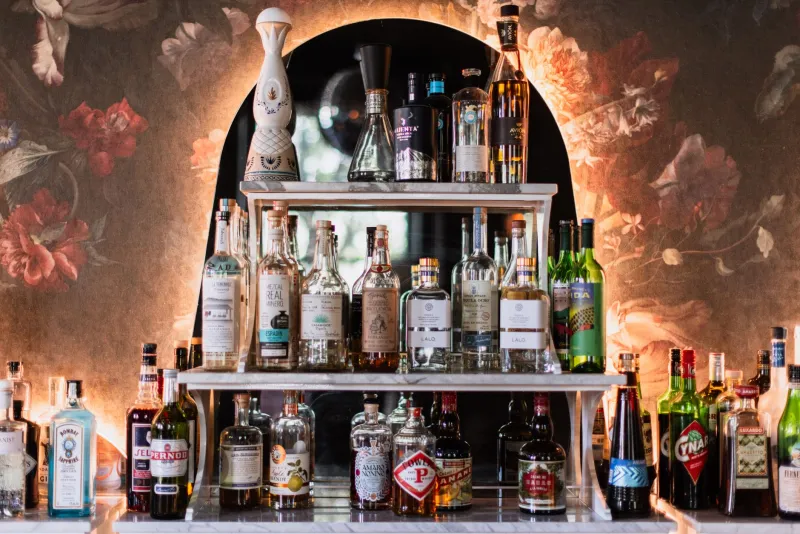
At the root of every great lounge experience is, inevitably, the drink itself. This is not a reductive observation — it is the acknowledgment of a discipline that demands respect. The cocktail, in its highest form, is a small act of chemistry and creativity, a collaboration between distiller, bartender, and the botanical world. The establishments that understand this treat their back bar not as inventory, but as a library.
The finest American lounges have long recognized that a spirits program is a statement of values. A well-curated selection of aged American whiskeys signals an appreciation for patience and terroir. A thoughtfully assembled collection of single-malt Scotches communicates a reverence for tradition. The mezcal selection at a forward-thinking bar in Chicago or the amaro cart at a storied New York lounge — these are editorial choices, as deliberate as the columns of any respected publication.
For the guest who wishes to engage meaningfully with a lounge's identity, the drink menu is the most honest introduction available.
Space as Philosophy
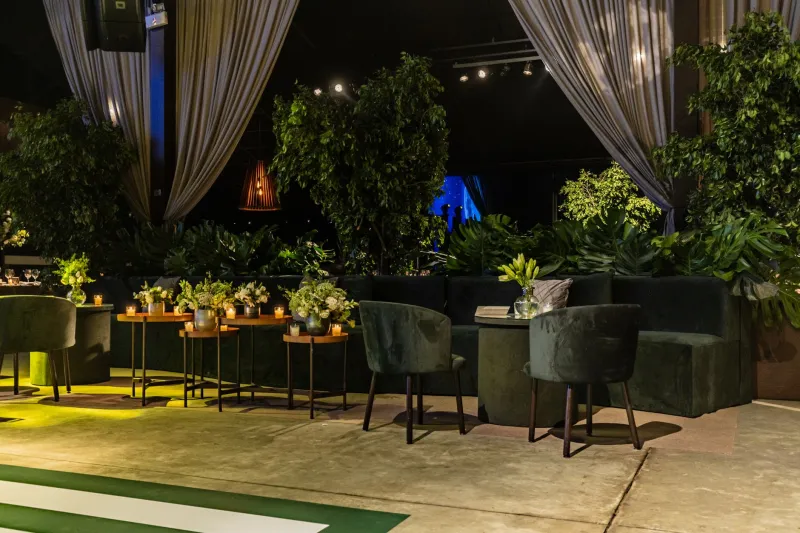
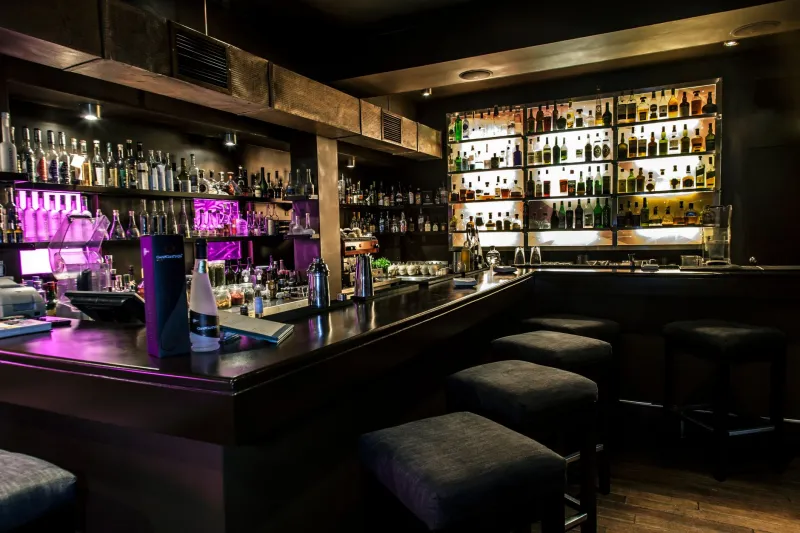
The physical environment of a lounge is not mere decoration — it is argument. The decision to seat guests at low, intimate tables rather than high-top bar stools is a position on how conversation should unfold. The choice to line walls with dark wood paneling rather than exposed brick is a statement about the kind of evening the establishment wishes to facilitate.
America's most enduring cocktail bars and lounges have always understood that design serves experience. The great hotel bars of San Francisco and New York, the jazz-adjacent lounges of New Orleans, the quietly confident rooms that have appeared in recent years across Nashville and Washington, D.C. — each represents a considered answer to the question: what does a room need to be in order to make people feel that the night is worth inhabiting fully?
The answer, when arrived at honestly, tends toward warmth over spectacle, intimacy over capacity, and permanence over trend.
The Human Element
No foundational principle carries more weight than the people behind the bar and on the floor. The bartender in a great lounge is not a functionary — they are, in many respects, the evening's author. They set the tempo of service, calibrate the energy of the room, and provide the kind of attentive presence that transforms a well-made drink into a memorable occasion.
The best in the profession possess a particular intelligence — one that is social and sensory in equal measure. They read a guest's mood with accuracy, know when conversation is welcome and when solitude is preferred, and bring to their craft the kind of quiet mastery that never announces itself. These are the individuals who have studied their discipline with the seriousness of any professional, who understand the history of the drinks they pour and the contexts in which those drinks have historically been consumed.
For the lounge that wishes to stand apart, investing in this human element is the single most consequential decision available.
Why the Roots Matter
In an era when new venues open with considerable fanfare and close with equal speed, the establishments that endure are invariably those with the clearest sense of what they are and why they exist. The root of a great lounge is not a trend or a concept — it is a conviction.
For the urban professional navigating an increasingly crowded landscape of bars, cocktail dens, and social venues, understanding these foundational principles offers a reliable compass. The room that has answered the essential questions — about hospitality, craft, environment, and the human experience of an evening well spent — is the room worth returning to.
Everything else, however beautifully executed, is decoration.
The night, after all, belongs to those who have taken the trouble to understand what makes it worth claiming.