Where Deals Are Poured: Inside America's Most Influential Hotel Bars
The Boardroom Is Out. The Bar Is In.
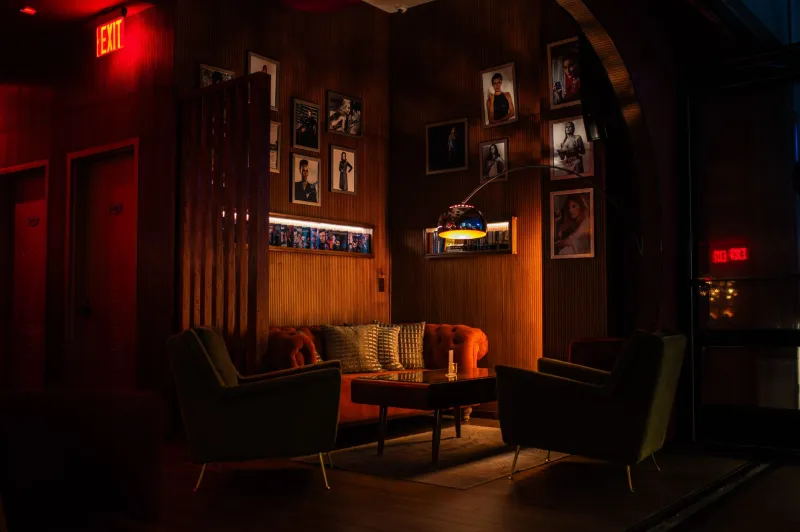
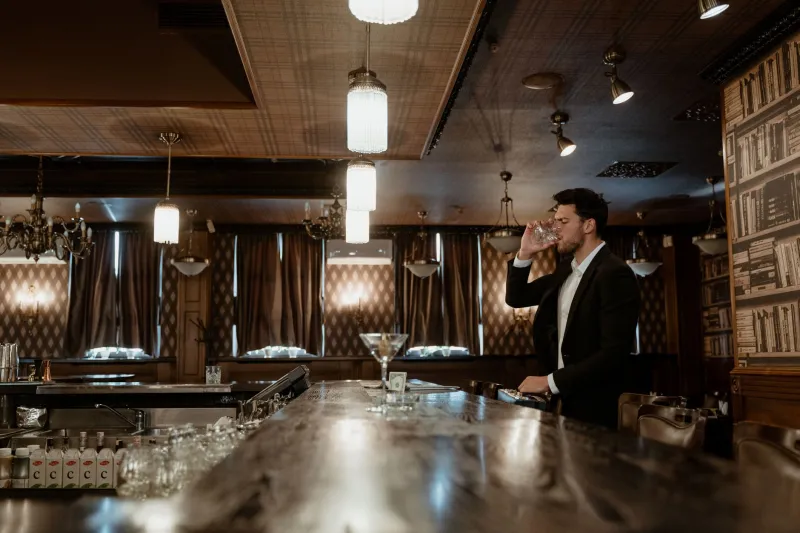
There is a particular kind of conversation that cannot happen under fluorescent lighting. It requires dim warmth, the unhurried arrival of something cold and considered, and the ambient hum of a room populated by people who understand that presence, in certain spaces, is itself a form of currency. The hotel bar, long dismissed as a waystation for road-weary travelers, has undergone a quiet but decisive transformation. In New York, Los Angeles, Chicago, and beyond, a curated collection of these establishments now functions as the de facto power room of the American professional class — intimate enough for candor, visible enough to matter.
What distinguishes a genuinely influential hotel bar from one that merely charges accordingly? The answer is rarely found on the drinks menu.
The Anatomy of a Powerful Room
Power in a bar is architectural before it is social. The most consequential hotel bars in the country share a common spatial logic: they offer simultaneous visibility and discretion. A guest seated in the right position can observe the entirety of the room while projecting an air of comfortable self-containment. Bemelmans Bar at The Carlyle in New York exemplifies this principle with particular elegance. Tucked into Manhattan's Upper East Side, its leather banquettes and Ludwig Bemelmans murals create a setting that feels both storied and intimate — a room where one is seen without feeling exposed.
The staff, too, are a form of architecture. At Bemelmans, bartenders have been known to remember a regular's preferred pour across absences of months. This institutional memory is not incidental; it is the mechanism by which a mere bar becomes a room with gravity. When a server greets you by name in front of a prospective client, the social calculus of the evening shifts immediately and entirely in your favor.
Coast to Coast: A Portrait of Influence
New York: The Carlyle's Bemelmans Bar Few rooms in America carry the accumulated weight of Bemelmans Bar. Since 1947, it has served as a quiet stage for literary figures, political operatives, and financiers who prefer their ambitions unhurried. The bar operates on an unspoken rhythm: early evenings belong to the post-theater crowd and those conducting the kind of introductory meetings that require plausible deniability; later hours draw a more deliberate clientele. The piano — live, most evenings — provides precisely enough acoustic cover for sensitive conversation.
Los Angeles: Nobu Hotel, Malibu On the opposite coast, the bar at Nobu Hotel Malibu operates by entirely different rules, though the underlying dynamics are identical. Here, the currency is access rather than legacy. The room skews younger and more visually oriented, and the Pacific light — even filtered through dusk — lends every interaction a cinematic quality that Los Angeles professionals have long understood how to exploit. A conversation held here carries the implicit suggestion of a life lived at a certain altitude. Industry figures from entertainment and technology have made it a preferred venue for the kind of meetings that precede the formal meeting.
Chicago: The Violet Hour's Spiritual Cousin at the Waldorf Astoria Chicago's hotel bar culture occupies an interesting middle register — more architecturally grand than Los Angeles, less historically weighted than New York. The Peacock Lounge at the Waldorf Astoria Chicago offers a room that rewards the patient guest. Its proportions are generous without being impersonal, and its cocktail program reflects a city that takes its drinking seriously without requiring its drinkers to perform enthusiasm. For the Midwest's considerable class of corporate professionals, it functions as a neutral venue — prestigious enough to signal seriousness, relaxed enough to encourage honesty.
Washington, D.C.: The Off the Record Bar at the Hay-Adams No survey of influential hotel bars would be complete without acknowledging the singular ecosystem of the nation's capital. Off the Record, situated beneath the Hay-Adams hotel with a direct sightline to the White House, operates with a knowing self-awareness that most bars can only approximate. The caricatures of Washington figures lining its walls serve as both décor and orientation — a reminder that everyone in this room is, in some sense, a character in an ongoing story. Discretion here is not merely valued; it is the foundational condition of the room's existence.
Reading the Room: A Practical Guide
Entering a hotel bar with professional intent requires the same preparation one would bring to any significant engagement. A few principles merit particular attention.
Arrive before your guest. The host who is already seated, drink in hand, controls the spatial narrative of the meeting. You have chosen the table; you have established comfort. Your guest arrives into your environment, however subtly.
Choose the wall over the center. Banquette seating along a wall provides the visibility advantage without the exposure of a central table. You observe; you are not observed with the same ease. In rooms like Bemelmans or Off the Record, these positions are occupied early by those who understand their value.
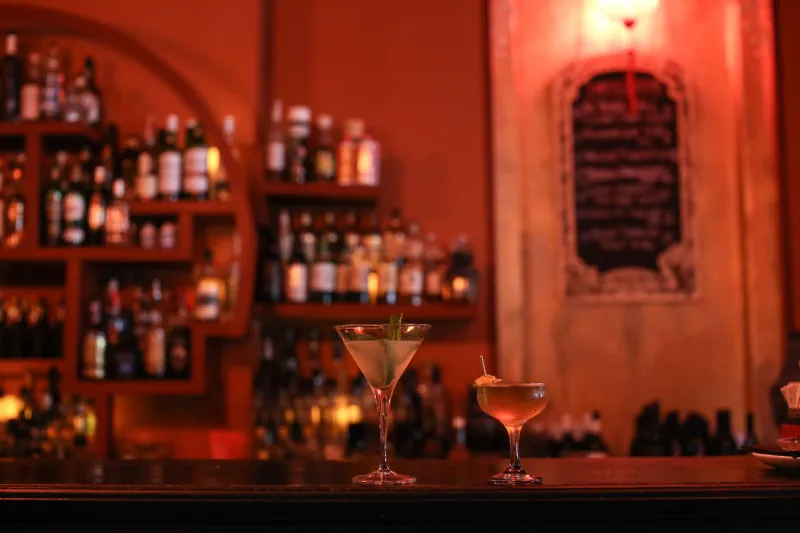
Order with intention. In a room of this caliber, ordering something generic is a form of inattention. Engage the bartender briefly, accept a recommendation if offered, and allow the exchange to demonstrate your familiarity with the space. This is not performance — it is fluency, and fluency in an environment communicates competence in others.
Recognize the regulars. Every influential hotel bar has its constellation of familiar faces. Learning who they are — not through intrusion, but through observation — provides essential context. A nod of recognition from a known figure carries social weight that no introduction can manufacture.
The Unquantifiable Advantage
There is, ultimately, something that no seating chart or cocktail strategy can fully account for: the particular quality of candor that a well-run hotel bar tends to produce. Something about the combination of excellent service, considered design, and the implicit understanding that everyone present has chosen to be here — rather than obligated to attend — loosens the transactional register of professional conversation. Deals made in these rooms tend to hold because they were made in good faith, over something worth drinking, in a place worth remembering.
The hotel bar, at its finest, does not merely facilitate business. It elevates it. And in a professional landscape increasingly mediated by screens and schedules, a room that can accomplish that is, by any reasonable measure, invaluable.