The Unhurried Hour: How the Classic American Lounge Is Reclaiming the Night
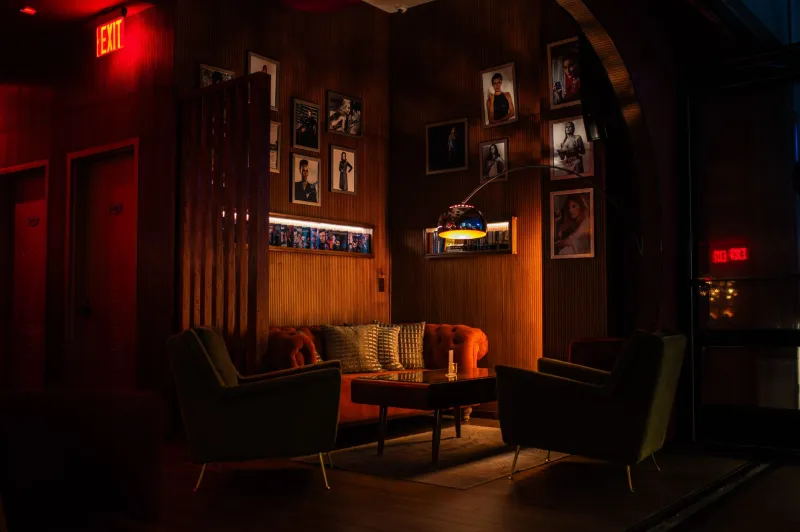
There is a particular kind of evening that cannot be rushed. It begins with the careful selection of a seat — perhaps a deep leather club chair angled just so toward the room — and ends only when the conversation has exhausted itself naturally, long after the ice has melted and the candles have burned low. This is the promise of the classic American lounge, and after years of cultural dormancy, it is a promise being enthusiastically renewed.
In cities where the pace of professional life rarely relents, a discerning cohort of drinkers is quietly recalibrating what a proper night out should feel like. They are not retreating from nightlife. They are, rather, demanding more of it.
The Noise We Left Behind
To understand the appeal of the contemporary lounge revival, one must first reckon honestly with what it stands against. The past decade of American bar culture has been defined, in no small part, by volume — both sonic and conceptual. Venues competed on the basis of elaborate theatrical cocktails, thumping playlists, and the relentless optimization of table turnover. The experience was engineered for Instagram documentation rather than genuine human connection.
For a certain kind of patron, the fatigue set in gradually, then all at once.
"There came a point where I realized I was leaving bars more exhausted than when I arrived," says Marcus Delray, a corporate attorney and self-described lounge devotee who divides his time between Manhattan's Upper East Side and Chicago's River North neighborhood. "I wasn't unwinding. I was enduring. The lounge gave me back the evening."
This sentiment echoes across the demographic that lounges have historically served best: urban professionals in their thirties, forties, and beyond, for whom an evening out represents a genuine investment of finite time and attention. They are not seeking novelty for its own sake. They are seeking quality, continuity, and — perhaps most valuably — the conditions in which meaningful conversation can actually occur.
What a Lounge Offers That a Bar Cannot
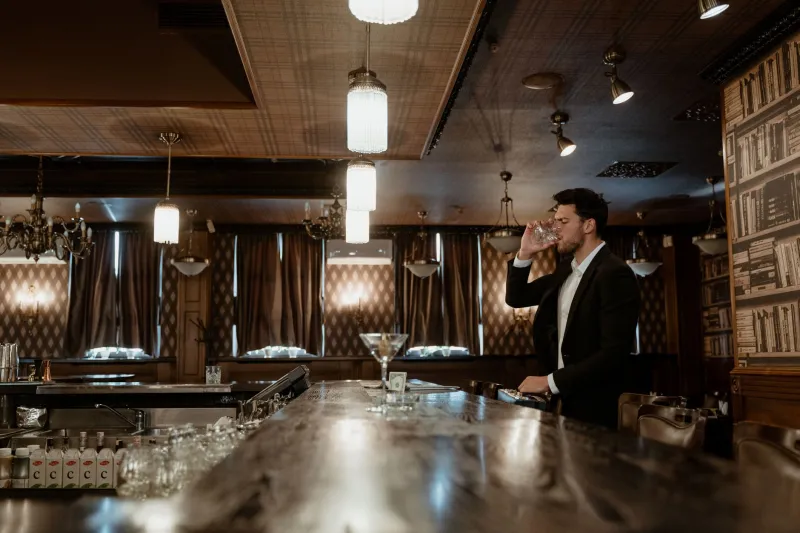
The distinction between a lounge and a bar is architectural before it is atmospheric. Lounges are, by design, built around the human body at rest. Seating is generous, upholstered, and arranged to encourage face-to-face engagement rather than the shoulder-to-shoulder adjacency of a crowded rail. Lighting is calibrated to flatter rather than illuminate. Acoustics are managed — often through the deliberate use of soft furnishings, low ceilings, and curated music at volumes that permit speech without effort.
Eleanor Voss, who co-owns The Meridian, a celebrated lounge in Chicago's Gold Coast neighborhood, describes her design philosophy in terms that are almost architectural in their precision. "We think about sightlines, about the distance between tables, about the way sound moves through a room," she explains. "A lounge is an environment that has been constructed to make people feel at ease. That doesn't happen by accident. It requires enormous intentionality."
Voss opened The Meridian seven years ago, initially against the prevailing wisdom that the lounge format was irredeemably dated. Today, reservations are required on weeknights, and the venue maintains a quietly loyal clientele that includes figures from Chicago's legal, financial, and creative industries. "Our regulars don't come here for the cocktail list, though we take that very seriously," she adds. "They come because they know what the evening will feel like before they arrive. That predictability is enormously valuable."
The Analog Appeal in a Digital Age
There is something almost countercultural about the lounge's fundamental proposition in the current moment. Where the dominant logic of contemporary entertainment prioritizes stimulation, novelty, and the frictionless accumulation of experience, the lounge insists on the opposite: slowness, repetition, and the productive friction of genuine presence.
In Los Angeles, where the entertainment industry's appetite for the new borders on pathological, venues such as the intimate lounges tucked within the historic hotels of West Hollywood and Downtown have developed devoted followings precisely because they resist the city's reflexive trendiness. Patrons speak of these spaces in the language of sanctuary.
"I have my booth," says Diana Osei, a television producer who frequents a storied hotel lounge in Beverly Hills she prefers not to name publicly. "The staff knows what I drink. Nobody photographs the room. I've had conversations there that changed the direction of my career, because we weren't distracted by anything. That's extraordinarily rare in this city."
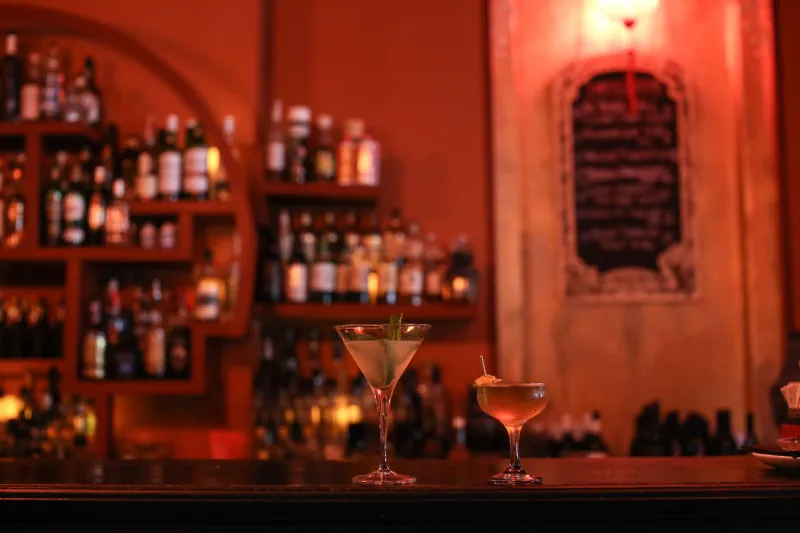
The emphasis on the analog extends to the cocktail program itself. Where the theatrical bar of the recent past favored smoke guns, centrifuges, and garnishes that required explanation, the lounge aesthetic gravitates toward the classic and the impeccably executed. A properly made Old Fashioned, stirred to precisely the right dilution and served in a glass of appropriate weight, communicates a philosophy as clearly as any interior design choice. It says: we have done this before, and we will do it again, and it will always be this good.
The Ritual of the Regular
Perhaps the most telling indicator of the lounge's cultural resurgence is the return of what might be called the ritual regular — the patron who arrives on the same evening each week, occupies the same seat, orders the same drink, and is greeted by name. This relationship between establishment and guest, once the defining social contract of mid-century American nightlife, had all but disappeared from the bar landscape in recent decades.
Its return is being noted with satisfaction by those who run these spaces. "When someone becomes a regular here, it means something," says James Calloway, the beverage director at a well-regarded lounge in New York's Midtown East. "They've decided that this is where they want to spend their evenings. That's a trust we take seriously. We remember their preferences, we remember the details of their lives. It's hospitality in the old sense of the word."
For the guests, the reciprocal relationship offers something that no app-driven reservation platform or algorithmically curated experience can replicate: the feeling of being genuinely known.
The Evening, Reconsidered
The resurgence of the classic American lounge is not, at its core, a story about interior design trends or cocktail preferences, though it encompasses both. It is a story about a particular kind of urban professional choosing, with increasing deliberateness, to protect the quality of their leisure time against the encroachments of overstimulation.
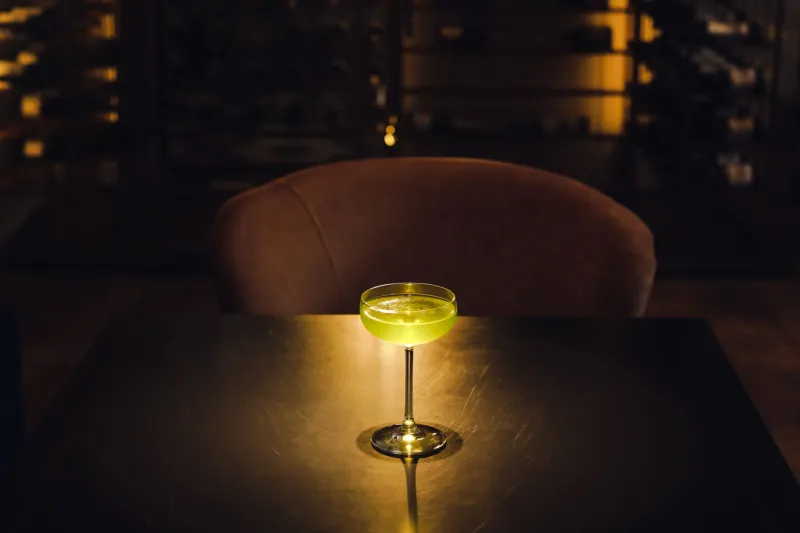
In an era that has made distraction the default condition of waking life, the lounge offers something quietly radical: an evening that belongs entirely to the people in the room. No performance required. No documentation expected. Simply the pleasure of a well-made drink, a comfortable chair, and the unhurried unfolding of good conversation.
Some evenings, it turns out, are worth taking slowly.